Einleitung: Die Eskalation der digitalen Konfrontation
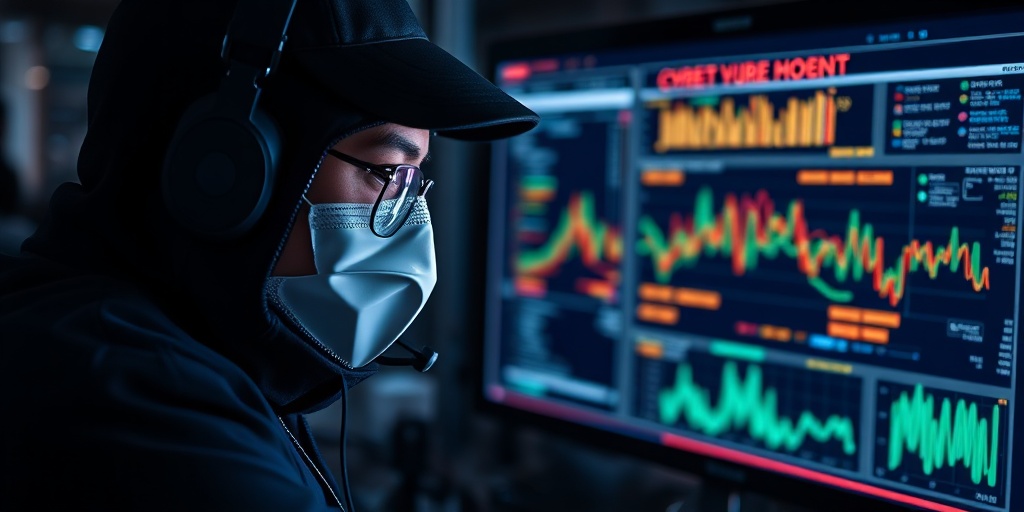
Das digitale Reich, ein zweischneidiges Schwert, ermöglicht sowohl globale Kommunikation als auch hochentwickelte Formen der Belästigung. In einer bedeutenden Entwicklung hat das U.S. Immigration and Customs Enforcement (ICE) Office of Professional Responsibility (OPR) über 100 Fälle gegen Online-Kritiker eingeleitet. Diese Untersuchungen resultieren aus dem, was ICE-Beamte als „Vorfälle von Doxing und Drohungen“ gegen Mitarbeiter der Behörde bezeichnen. Für Cybersicherheits- und OSINT-Forscher signalisiert diese beispiellose Maßnahme der internen Aufsichtsbehörde einen kritischen Wendepunkt, der tiefgreifende Fragen zur digitalen Bedrohungsattribution, zur Instrumentalisierung von Open-Source-Informationen und zur sich entwickelnden Landschaft der Online-Verantwortlichkeit aufwirft. Dieser Artikel befasst sich mit den technischen Methoden und Auswirkungen solcher Untersuchungen und bietet Einblicke in defensive Haltungen und ethische Überlegungen.
Definition der Bedrohungslandschaft: Doxing und digitale Belästigung
Anatomie des Doxing
Doxing, die Handlung, private persönliche Informationen über eine Einzelperson oder Organisation oft ohne deren Zustimmung öffentlich preiszugeben, ist eine potente Form der digitalen Belästigung. Diese Informationen können von Wohnadressen und Telefonnummern bis hin zu Beschäftigungsdetails und familiären Verbindungen reichen. Die Vektoren zur Beschaffung solcher Daten sind vielfältig und nutzen oft leicht verfügbare OSINT-Quellen:
- Öffentliche Aufzeichnungen: Grundbucheinträge, Wählerregistrierungen, Handelsregisterauszüge.
- Soziale Medien-Analyse: Übermäßige Weitergabe auf Plattformen, geotaggte Fotos, Verbindungen.
- Datenlecks: Informationen aus früheren Lecks, die auf Darknet-Märkten gesammelt und verkauft werden.
- Social Engineering: Personen dazu bringen, Informationen preiszugeben.
Die Auswirkungen von Doxing sind schwerwiegend und reichen über Reputationsschäden hinaus bis hin zu greifbaren physischen Sicherheitsrisiken, psychischem Stress und beruflichen Konsequenzen.
Das Spektrum der Online-Bedrohungen
Jenseits des Doxing birgt die digitale Umgebung ein Spektrum von Bedrohungen. Diese reichen von anhaltender Online-Belästigung und Cyberstalking bis hin zu expliziten Gewaltandrohungen. Während die Meinungsfreiheit ein Grundrecht ist, überschreiten direkte Drohungen, die Anstiftung zur Gewalt und die vorsätzliche Gefährdung von Personen durch die Verbreitung privater Informationen rechtliche und ethische Grenzen. Die Untersuchung dieser Bedrohungen stellt aufgrund der globalen Natur des Internets, der Verwendung von Anonymisierungstechnologien und der Schwierigkeit, Absicht und Attribution festzustellen, erhebliche Herausforderungen dar.
OPRs Untersuchungsauftrag und Methodologien
Rolle des Office of Professional Responsibility (OPR)
Traditionell fungiert das OPR von ICE als interne Untersuchungsstelle, die mit der Untersuchung von Vorwürfen des Fehlverhaltens von Mitarbeitern der Behörde beauftragt ist. Die Hinwendung zur aktiven Untersuchung externer Online-Kritiker wegen Doxing und Drohungen markiert eine signifikante Erweiterung ihres operativen Umfangs. Diese Verschiebung deutet auf eine Priorisierung des Personalschutzes vor digitalen Gegnern hin, was vom OPR erfordert, seine Untersuchungsfähigkeiten anzupassen, um fortgeschrittene digitale Forensik- und OSINT-Methoden einzubeziehen. Ressourcen, die zuvor auf interne Rechenschaftspflicht konzentriert waren, werden nun eingesetzt, um externe Bedrohungsakteure zu identifizieren und möglicherweise strafrechtlich zu verfolgen.
Digitale Forensik und Herausforderungen der Attribution
Der Prozess der Attribution von Online-Bedrohungen und Doxing-Aktivitäten zu bestimmten Einzelpersonen oder Gruppen ist mit technischen Komplexitäten behaftet. Bedrohungsakteure wenden oft hochentwickelte Techniken an, um ihre Identitäten und Ursprünge zu verschleiern:
- Anonymisierungstechnologien: VPNs, Tor-Netzwerke, Proxy-Server.
- Ephemere Daten: Inhalte, die auf Plattformen mit kurzen Aufbewahrungsfristen oder durch selbstlöschende Nachrichten veröffentlicht werden.
- Jurisdiktionale Hürden: Grenzüberschreitende Untersuchungen erfordern komplexe rechtliche Rahmenbedingungen und internationale Zusammenarbeit.
- Falsche Flaggen und Irreführung: Bewusste Versuche, Ermittler mit gefälschten Beweisen oder kompromittierten Konten in die Irre zu führen.
Im Bereich der digitalen Forensik und der Attribution von Bedrohungsakteuren nutzen Ermittler eine Reihe von Tools, um böswillige Akteure zu enttarnen. Für die erste Aufklärung und Telemetrie-Erfassung können Plattformen wie iplogger.org von entscheidender Bedeutung sein. Durch das Einbetten von Tracking-Links in verdächtige Kommunikationen oder öffentlich zugängliche Dokumente können Forscher erweiterte Telemetriedaten sammeln, einschließlich IP-Adressen, User-Agent-Strings, ISP-Details und sogar rudimentäre Geräte-Fingerabdrücke. Diese anfängliche Intelligenz, obwohl keine eigenständige Beweismittel, dient als kritischer Ausgangspunkt für die Netzwerkaufklärung, Link-Analyse und die Zuordnung verdächtiger Aktivitäten zu potenziellen Quellen, insbesondere in Fällen von Spear-Phishing-Kampagnen oder Social Engineering-Vektoren. Die anschließende Phase umfasst eine tiefere Analyse, die diese Telemetrie mit anderen OSINT-Ergebnissen, digitalen Fußabdrücken und potenziell gerichtlich angeforderten Daten korreliert, um ein umfassendes Attributionsprofil zu erstellen.
OSINT-Gegenmaßnahmen und defensive Haltungen
Proaktives Management des digitalen Fußabdrucks
Für Einzelpersonen und Organisationen ist eine robuste defensive OSINT-Strategie von größter Bedeutung. Dies beinhaltet die Annahme einer „Angreifer-Mentalität“, um Schwachstellen im eigenen digitalen Fußabdruck zu identifizieren und zu mindern:
- Datenschutz-Audits: Überprüfen Sie regelmäßig die Datenschutzeinstellungen aller sozialen Medien, E-Mail- und Online-Konten.
- Informationsbereinigung: Entfernen Sie veraltete oder sensible Informationen aus öffentlichen Profilen und nicht mehr genutzten Konten.
- Datenbroker-Abmeldung: Fordern Sie die Entfernung persönlicher Daten von Datensammeldiensten an.
- Eindeutige Kennungen: Vermeiden Sie die Verwendung desselben Benutzernamens, derselben E-Mail-Adresse oder desselben Profilbildes auf verschiedenen Plattformen.
- Geotagging-Bewusstsein: Deaktivieren Sie Geotagging bei Fotos und Beiträgen, wenn nicht erforderlich.
Die Minimierung der eigenen öffentlichen Angriffsfläche reduziert das Risiko von Doxing und gezielter Belästigung erheblich.
Vorfallsreaktion und Bedrohungsintelligenz
Wenn Doxing oder Drohungen auftreten, ist ein strukturierter Vorfallsreaktionsplan entscheidend. Dazu gehören:
- Beweissammlung: Screenshots erstellen, URLs archivieren, alle digitalen Beweise sichern.
- Meldung: Benachrichtigung von Plattformadministratoren, Strafverfolgungsbehörden und internen Sicherheitsteams.
- Reputationsmanagement: Eindämmung der Verbreitung falscher oder schädlicher Informationen.
- Bedrohungsintelligenz-Austausch: Zusammenarbeit mit vertrauenswürdigen Stellen zur Identifizierung von Mustern, TTPs (Taktiken, Techniken und Prozeduren) und aufkommenden Bedrohungen.
Ethische und rechtliche Überlegungen für Forscher
Balance zwischen Sicherheit und Datenschutz
Die Untersuchungen des ICE OPR unterstreichen eine wachsende Spannung zwischen dem Schutz von Personen vor Online-Schäden und der Wahrung bürgerlicher Freiheiten, insbesondere der Meinungsfreiheit. Forscher müssen diese komplexe Landschaft mit einem scharfen Bewusstsein für die ethischen Implikationen ihrer Arbeit navigieren. Während die Verteidigung gegen Doxing und Drohungen von entscheidender Bedeutung ist, erfordert das Potenzial von Untersuchungen, legitime Kritik oder Dissens zu verletzen, eine sorgfältige Prüfung. Die Definition von „Bedrohung“ kann subjektiv sein, und ihre Interpretation durch Strafverfolgungsbehörden kann weitreichende Konsequenzen für den Online-Diskurs haben.
Die Rolle des Forschers
Als Cybersicherheits- und OSINT-Forscher geht unsere Rolle über die technische Analyse hinaus und umfasst eine kritische Bewertung dieser sich entwickelnden Dynamik. Wir sind beauftragt mit:
- Entwicklung fortschrittlicher Verteidigungsstrategien gegen Doxing und Online-Belästigung.
- Analyse der TTPs sowohl bösartiger Akteure als auch staatlich geförderter Einheiten im digitalen Raum.
- Eintreten für robuste Datenschutzmaßnahmen und klare rechtliche Rahmenbedingungen, die Sicherheit und bürgerliche Freiheiten in Einklang bringen.
- Aufklärung der Öffentlichkeit und der politischen Entscheidungsträger über die technischen Realitäten und gesellschaftlichen Auswirkungen digitaler Ermittlungen.
Fazit: Das sich entwickelnde digitale Schlachtfeld
Die Entscheidung des ICE OPR, Online-Kritiker aktiv zu verfolgen, stellt eine signifikante Eskalation in der digitalen Konfrontation zwischen Regierungsbehörden und ihren Kritikern dar. Für Cybersicherheits- und OSINT-Experten verdeutlicht dieses Szenario die Notwendigkeit fortschrittlicher Fähigkeiten zur Attribution von Bedrohungsakteuren, eines robusten Managements des digitalen Fußabdrucks und ausgefeilter Incident-Response-Frameworks. Da die Grenzen zwischen legitimer Kritik und konkreten Bedrohungen im digitalen Bereich verschwimmen, bleibt die kontinuierliche Weiterentwicklung technischer Abwehrmechanismen, gepaart mit einem kritischen Verständnis ethischer und rechtlicher Implikationen, für die Navigation auf diesem zunehmend komplexen Schlachtfeld von größter Bedeutung.