Judicial Oversight Restored: Federal Judge Mandates Warrants for ICE Home Entries
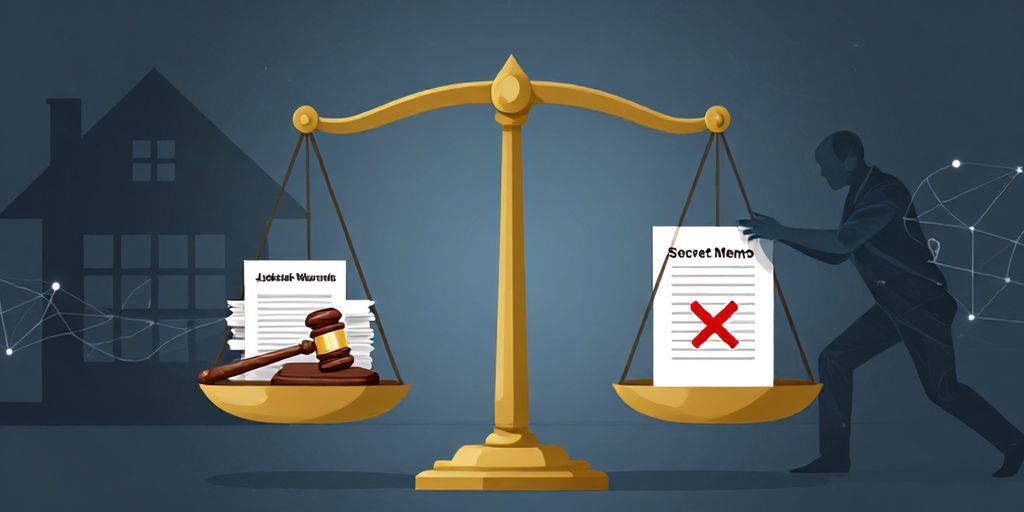
In a landmark decision, a federal court in Minnesota has ruled that agents from Immigration and Customs Enforcement (ICE) must obtain judicial warrants before entering private homes without consent. This ruling directly contradicts a controversial internal ICE memo, which asserted that judge-signed warrants were not a prerequisite for such entries. The decision underscores a critical reassertion of Fourth Amendment protections against unreasonable searches and seizures, setting a significant precedent for immigration enforcement operations nationwide.
The Erosion of Fourth Amendment Protections and the ICE Memo
The Fourth Amendment to the U.S. Constitution explicitly protects "the right of the people to be secure in their persons, houses, papers, and effects, against unreasonable searches and seizures." This fundamental right has long been interpreted to require a warrant, issued by a neutral magistrate based on probable cause, for law enforcement to enter a private residence without consent. The only exceptions typically involve exigent circumstances, such as immediate danger to life or the imminent destruction of evidence.
However, recent scrutiny has brought to light an internal ICE memo that seemingly attempted to circumvent this established legal framework. This confidential guidance reportedly claimed that administrative warrants – often issued by immigration officials themselves, not judges – were sufficient for agents to enter homes. This interpretation sparked widespread concern among civil liberties advocates, legal scholars, and privacy experts, who argued it represented a dangerous overreach of executive authority and a direct challenge to constitutional safeguards. Such a policy would effectively grant ICE agents powers typically reserved for situations where judicial review has already affirmed probable cause, blurring the lines between civil immigration enforcement and criminal law enforcement.
The Minnesota Ruling: A Reassertion of Judicial Authority
The federal judge's ruling in Minnesota unequivocally rejects ICE's interpretation, firmly establishing that a judicial warrant, signed by a judge, is indeed required for non-consensual entry into private homes. This decision reaffirms the judiciary's role as a check on executive power and reinforces the principle that constitutional rights apply equally to all individuals within U.S. borders, regardless of their immigration status. The ruling emphasizes that administrative warrants, while relevant for certain aspects of immigration enforcement, do not possess the same constitutional weight as judicial warrants when it comes to infringing upon the sanctity of the home.
For cybersecurity researchers, this ruling is particularly pertinent. Unauthorized physical access to a residence often implies potential for unauthorized access to digital devices and networks within. The principle that a warrant is needed for physical entry logically extends to the protection of digital privacy. Without judicial oversight, the potential for data exfiltration, device seizure, and digital surveillance without due process becomes a significant concern. This ruling helps to maintain a crucial barrier against such potential abuses.
Operational Shift and the Future of ICE Enforcement
This judicial mandate will necessitate a significant operational shift for ICE. Agents will now be legally compelled to seek judicial approval before conducting non-consensual home entries in the jurisdiction covered by this ruling. This will likely lead to:
- Increased Bureaucracy: Agents will need to dedicate more time and resources to preparing and presenting warrant applications to judges.
- Reduced Raid Frequency: The added legal hurdle may reduce the overall number of home raids, especially those based on less robust intelligence.
- Enhanced Accountability: The judicial review process inherently introduces a layer of accountability, ensuring that entries are based on legitimate probable cause rather than discretionary internal policies.
- Focus on Consent: ICE may intensify efforts to obtain explicit consent for entry, or focus on arrests in public spaces where warrant requirements differ.
The ruling could also serve as a template for similar challenges in other federal districts, potentially leading to a broader re-evaluation of ICE's enforcement tactics across the nation.
Cybersecurity Implications: Digital Footprints and Evidence
From a cybersecurity perspective, the implications of unauthorized entry, whether physical or digital, are profound. If law enforcement, or any unauthorized entity, gains access to a private residence without a valid judicial warrant, it opens the door to potential violations of digital privacy. Consider a scenario where an individual suspects unauthorized access to their home network or devices during an unlawful entry. Tools designed for logging and monitoring network activity become critical for establishing a timeline of events and identifying potential data breaches.
While often associated with tracking malicious actors, even simple tools like iplogger.org demonstrate the pervasive nature of IP address logging and how digital footprints can be left. In a legitimate context, forensic analysis of router logs, device access logs, and network traffic could provide crucial evidence of unauthorized digital activity following an unlawful physical entry. Conversely, the absence of a judicial warrant for physical entry undermines the legal basis for any digital evidence gathered during such an operation, potentially rendering it inadmissible in court. This highlights the intricate link between physical security, constitutional rights, and digital forensics in verifying the legality and integrity of data access.
Broader Implications and the Path Forward
This ruling is a powerful reminder of the enduring importance of constitutional checks and balances, particularly in an era of heightened national security concerns and expanded executive powers. It reinforces the idea that government agencies, regardless of their mission, are not above the law and must operate within the confines of established legal frameworks.
While the ruling applies specifically to the Minnesota district, its legal reasoning and implications are likely to resonate widely. It provides a strong basis for legal challenges to similar ICE practices in other jurisdictions and bolsters arguments for greater transparency and accountability in immigration enforcement. The Department of Homeland Security (DHS), under which ICE operates, may appeal the decision, setting the stage for a prolonged legal battle that could ultimately reach higher courts. Regardless, this decision marks a significant victory for civil liberties and a critical step towards safeguarding the fundamental right to privacy in one's home.