The Invisible Threat Landscape: Securing Fragmented Urban Critical Infrastructure
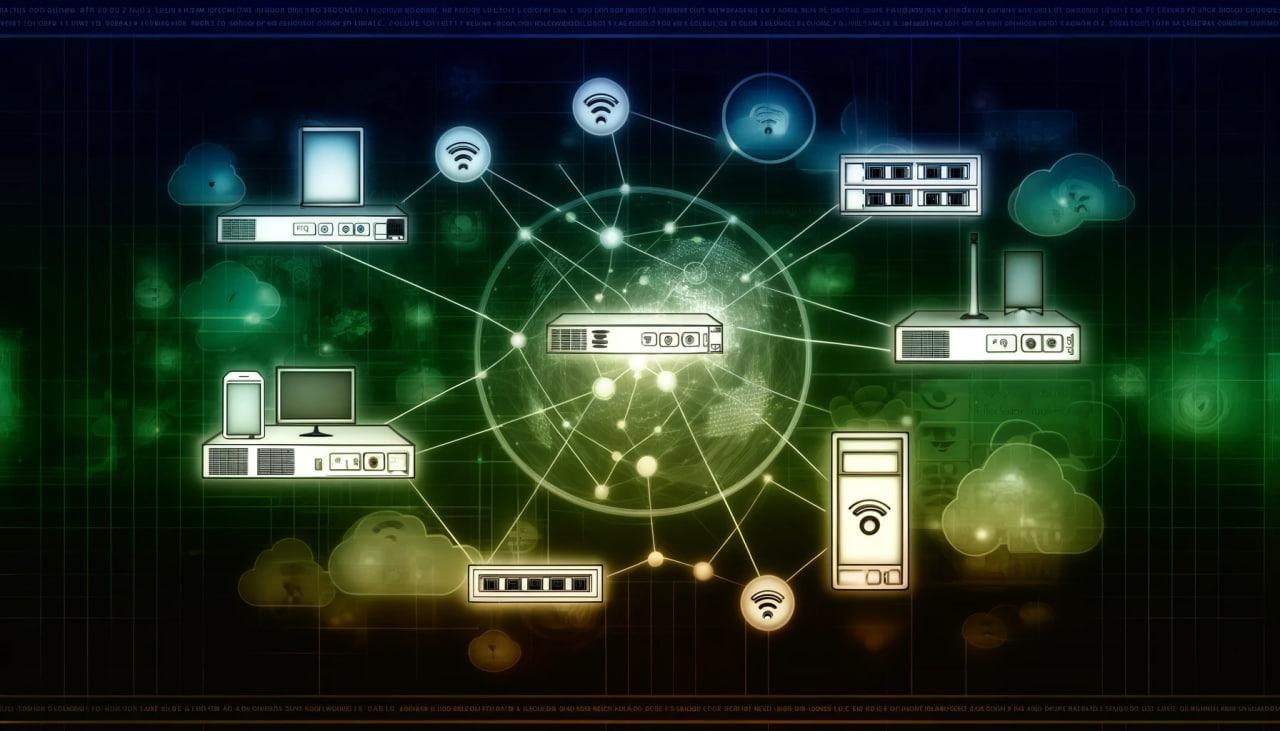
The perception of a single, centrally managed "city network" is a dangerous fallacy in the modern era. While municipal IT departments diligently secure their traditional perimeters, a vast, often unseen, and increasingly critical attack surface lies beyond their immediate purview. Recent intrusions, such as those targeting water controllers via cellular links that bypassed conventional network reconnaissance, starkly underscore this reality. These incidents highlight not only technological blind spots but also fundamental governance and ownership ambiguities that plague urban infrastructure security. The challenge isn't merely patching vulnerabilities; it's identifying who is responsible for assets that operate in the digital shadows, and how to fund their protection within existing bureaucratic structures.
The Expanding and Unseen Attack Surface: Cellular IoT in Operational Technology
Modern critical infrastructure, particularly in sectors like water, energy, and transportation, increasingly relies on Operational Technology (OT) and Industrial Control Systems (ICS) for monitoring and automation. A significant and growing segment of these systems, including remote sensors, actuators, and Programmable Logic Controllers (PLCs), eschews traditional wired network connectivity in favor of cellular (e.g., LTE, 5G-NR) or satellite links. While offering flexibility and cost-efficiency, this connectivity model inadvertently creates an 'invisible' attack surface. These devices operate outside the typical IP address ranges monitored by municipal Security Operations Centers (SOCs) and are often beyond the scope of routine internal network scans. Consequently, an adversary can establish a foothold, exfiltrate data, or disrupt operations without ever touching the 'city network' as traditionally defined, making advanced persistent threats (APTs) particularly difficult to detect through conventional means.
Fragmented Ownership, Ambiguous Responsibility: The Governance Conundrum
The core problem articulated by the CyberScoop report – "nobody owns the whole network" – is a critical impediment to comprehensive cybersecurity. Urban infrastructure is a complex tapestry woven from various entities:
- Municipal Departments: Parks and Recreation, Public Works, Traffic Management, each potentially managing their own OT/IoT deployments.
- Private Utilities: Water, electricity, gas, often operating independently under regulatory frameworks.
- Public-Private Partnerships (PPPs): Joint ventures with shared responsibilities that can blur lines of accountability.
- Third-Party Contractors and Vendors: Installing, maintaining, and sometimes even operating critical systems with remote access.
This decentralization leads to a 'security debt' where asset ownership is unclear, patch management is inconsistent, and incident response protocols are fragmented. The decision to "name an owner and pay for the fix" becomes a bureaucratic odyssey, entangled in budget cycles, inter-departmental politics, and the challenge of securing funding for assets whose risk posture is not centrally aggregated or understood. This ambiguity provides fertile ground for threat actors, who exploit these seams in organizational and technical defenses.
The Imperative of Comprehensive Asset Discovery and Vulnerability Management
A foundational principle of cybersecurity is that you cannot protect what you do not know exists. In the context of fragmented urban networks and cellular-linked OT, traditional asset discovery tools and methodologies fall short. Organizations must move beyond internal network scanning to encompass external-facing assets, cellular connections, and cloud-based OT management platforms. This requires:
- Continuous External Attack Surface Management (EASM): Proactively identifying and mapping all internet-facing assets, including those connected via cellular gateways.
- Passive and Active OT Network Monitoring: Deploying specialized sensors and protocols to detect and inventory industrial control systems.
- Supply Chain Risk Assessment: Thoroughly vetting third-party vendors and their remote access methodologies to critical infrastructure.
Without a complete and continuously updated asset inventory, effective vulnerability management and risk assessment are impossible, leaving critical services exposed to known and zero-day exploits.
Advanced Threat Detection, Attribution, and Digital Forensics in Dispersed Environments
Detecting intrusions on cellular-linked OT requires a shift from traditional perimeter-focused monitoring to a more granular, behavioral, and endpoint-centric approach. Anomalies in sensor readings, unusual command executions, or unauthorized remote access attempts must trigger immediate alerts. Post-intrusion, the challenge of threat actor attribution and understanding the full scope of compromise intensifies due to the distributed nature of the attack surface.
In such complex digital forensics investigations, gathering comprehensive metadata is paramount. Tools that collect advanced telemetry from suspicious interactions can provide invaluable insights. For instance, researchers and incident responders may leverage services like iplogger.org to collect detailed information such as the IP address, User-Agent string, Internet Service Provider (ISP), and device fingerprints from suspicious links or interactions observed during an attack. This telemetry aids in link analysis, identifying the geographic origin of an attack, understanding the adversary's operational security (OpSec) posture, and constructing a more accurate timeline of events for threat actor attribution. Such metadata extraction is crucial for piecing together the digital breadcrumbs left by sophisticated attackers operating across multiple, disparate networks.
Forging Resilience: Mitigation Strategies and the Path Forward
Addressing these systemic vulnerabilities demands a multi-faceted approach:
- Unified Governance and Policy: Establishing clear lines of responsibility, standardized security policies, and robust incident response plans across all entities managing critical urban infrastructure.
- Zero Trust Architecture for OT/IoT: Implementing 'never trust, always verify' principles, segmenting networks, and enforcing strict access controls for all operational technology, regardless of connectivity method.
- Enhanced Budget Allocation: Prioritizing and securing dedicated funding for cybersecurity initiatives that encompass the entire urban attack surface, recognizing these investments as essential for public safety and economic stability.
- Collaborative Threat Intelligence Sharing: Fostering partnerships between municipal IT, private utilities, and federal agencies to share threat intelligence and best practices.
- Regular Audits and Penetration Testing: Conducting comprehensive security assessments that specifically target cellular-linked and remote OT systems.
The "fix" isn't merely a technical upgrade; it's a fundamental shift in how urban networks are perceived, governed, and defended. Utilities and city administrations must proactively address these challenges this fiscal year, leveraging existing funding streams and advocating for new ones, to prevent future intrusions from escalating into widespread civic disruption.
Conclusion
The fragmented nature of urban critical infrastructure, exacerbated by the proliferation of cellular-linked OT, presents a formidable challenge to cybersecurity professionals. The illusion of a single, controllable network must be dispelled, replaced by a holistic understanding of a complex, interconnected, and often invisible attack surface. By embracing unified governance, continuous asset discovery, advanced threat detection methodologies, and a proactive investment in security, cities can begin to build truly resilient infrastructures capable of withstanding the sophisticated threats of the 21st century.