Deceptive Beginnings: Unmasking the Initial Stages of Romance Scams
[Guest Diary by Fares Azhari, an ISC intern as part of the SANS.edu BACS program]
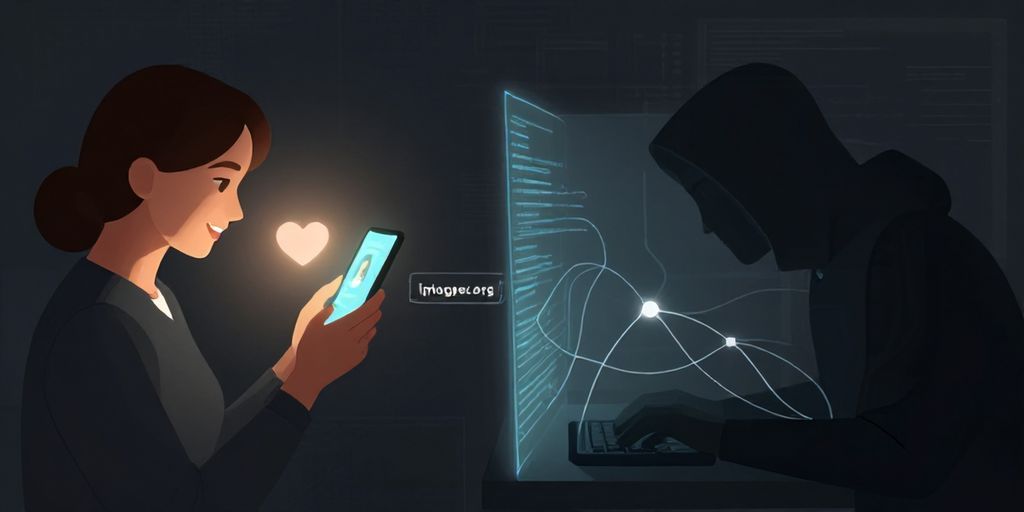
(Tue, Jan 27th) Romance scams represent a deeply insidious form of cybercrime, preying on emotional vulnerabilities to extract financial gain. While the devastating financial and emotional aftermath often makes headlines, understanding the initial stages – how these scams are initiated and cultivated – is paramount for prevention. As a cybersecurity researcher, my focus is on dissecting these early interactions to empower potential victims with knowledge.
The Initial Approach: Casting a Wide Net
Romance scammers operate with a clear objective: identify and isolate targets. Their initial approach is often broad, leveraging a multitude of online platforms where individuals seek connection. This isn't limited to traditional dating sites; social media platforms like Facebook, Instagram, and even professional networks such as LinkedIn, or online gaming communities, serve as fertile ground. Scammers create sophisticated, yet often generic, fake profiles designed to appeal to a wide demographic. These profiles typically feature attractive stock photos, vague details about their profession (e.g., 'engineer working abroad,' 'military personnel deployed overseas,' 'business owner traveling frequently'), and a fabricated backstory emphasizing loneliness or a desire for a genuine connection.
The first contact is usually innocuous – a 'like,' a 'follow,' a direct message expressing interest, or even a comment on a post. The language is often flattering, designed to immediately draw the target in and bypass initial skepticism. They might claim to have been 'drawn to your profile' or 'felt a connection.' This immediate flattery, often termed 'love bombing,' is a critical psychological tactic, establishing a rapid, intense emotional bond.
Building Rapport: The Art of Social Engineering
Once initial contact is made, the scammer's primary goal is to move the conversation off the public platform as quickly as possible. They will suggest moving to private messaging apps like WhatsApp, Telegram, or direct email, citing reasons such as 'better privacy,' 'easier communication,' or 'I don't check this app often.' This move serves multiple purposes: it makes the communication less visible to platform moderators, making it harder for the scammer to be detected and reported, and it creates a more intimate, one-on-one environment.
During this phase, the scammer engages in intensive social engineering. They ask many questions about the victim's life, interests, family, and aspirations, not out of genuine interest, but to gather intelligence. This information is meticulously cataloged and later used to tailor their narrative, mirroring the victim's desires and fears. They will construct a persona that aligns perfectly with what the victim seeks in a partner. For instance, if the victim expresses a love for travel, the scammer will 'reveal' their own extensive travels. If the victim is lonely, the scammer will emphasize their own longing for companionship and commitment.
Communication becomes frequent and intense, often spanning various time zones. Scammers are adept at maintaining constant contact, making the victim feel special and desired. They will send heartfelt messages, poetry, and even 'gifts' (e.g., flowers, but never tangible items that require physical interaction), all designed to deepen the emotional investment. They often express profound feelings of love very early in the relationship, creating a sense of destiny and urgency.
Reconnaissance and Digital Footprints: The Covert Data Collection
Before ever asking for money, scammers often conduct a subtle form of reconnaissance. They might send seemingly innocuous links – perhaps a 'funny meme,' a 'beautiful photo of my hometown,' or a 'link to a song that reminds me of you.' Unknown to the victim, such a link could be an IP logger, like those generated by services such as iplogger.org. Clicking on such a URL reveals the victim's IP address, approximate geographical location, device type, and browser details. This seemingly minor data provides crucial intelligence, allowing the scammer to:
- Tailor Narratives: Knowing the victim's location helps them craft more believable stories about their own travel, work, or difficulties that align with time zones or regional events.
- Assess Vulnerability: Device type and browser information can hint at the victim's technical savviness, informing how complex future phishing attempts or malware distribution might be.
- Confirm Engagement: The act of clicking also confirms the victim's engagement and trust, indicating a higher likelihood of falling for subsequent requests.
This covert data collection is a vital, often overlooked, aspect of the initial stages, demonstrating the sophisticated preparation behind these scams.
Recognizing the Red Flags
Awareness is the strongest defense. Key red flags in the initial stages include:
- Rapid Declaration of Love: Expressing strong feelings very early in the relationship.
- Urgency to Move Off-Platform: Insisting on communicating via private apps immediately.
- Inconsistent Stories: Details in their life story changing over time.
- Vague Details: Lack of specific information about their work, location, or past.
- Refusal to Meet/Video Call: Constant excuses for why they cannot meet in person or conduct video calls (e.g., 'bad internet,' 'deployed,' 'traveling').
- Requests for Money (Eventually): While not immediate, this is the ultimate goal, often starting with small 'emergencies' to test boundaries.
- Suspicious Links: Sending links that seem out of place or promise something too good to be true.
By understanding these initial deceptive maneuvers, individuals can better protect themselves from becoming another statistic. Vigilance, critical thinking, and a healthy dose of skepticism are indispensable tools in navigating the complexities of online relationships.