ClingSTUN: The Silent Threat Turning Unpatched IoT Devices into Covert Proxy Networks
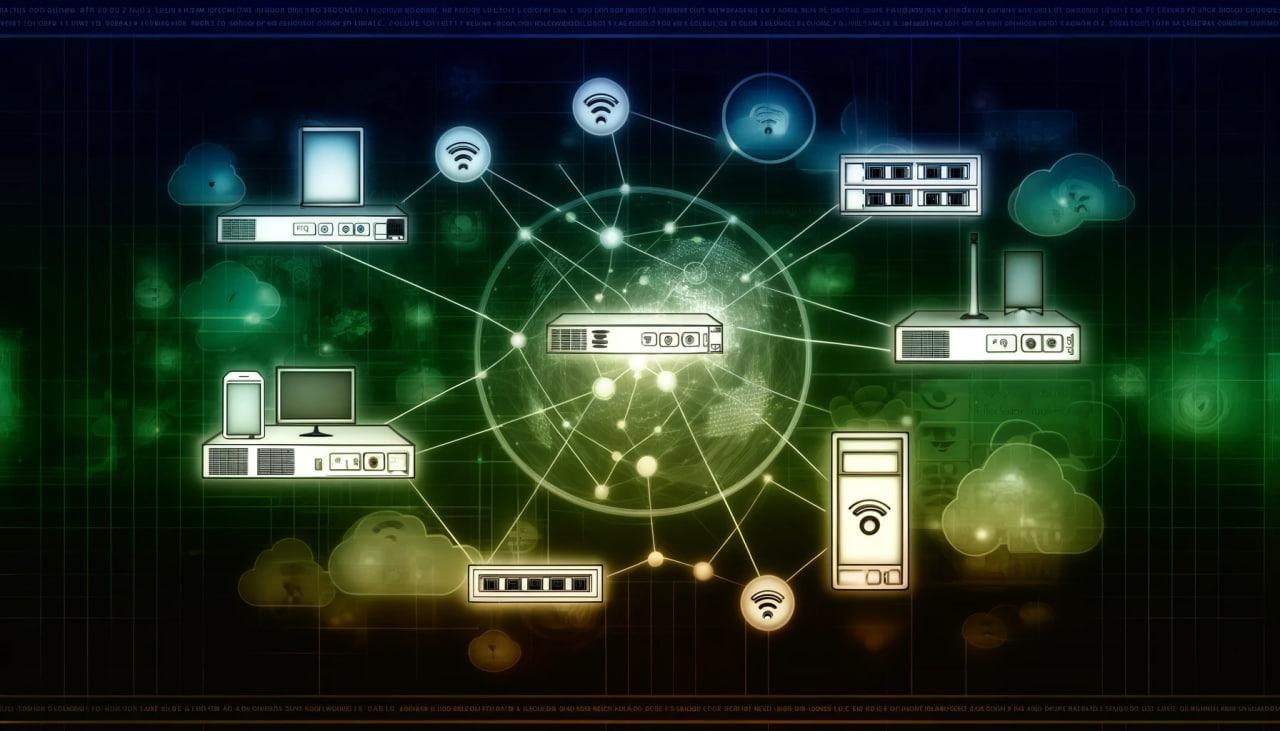
In the evolving landscape of cyber threats, the proliferation of Internet of Things (IoT) devices presents an ever-expanding attack surface. A novel and concerning development in this arena is the emergence of ClingSTUN malware, a sophisticated threat specifically designed to exploit known vulnerabilities in unpatched IoT devices. This malware weaponizes legitimate STUN (Session Traversal Utilities for NAT) servers to establish and maintain persistent, stealthy proxy access to compromised devices, effectively transforming them into unwitting nodes within a malicious proxy network. This article delves into ClingSTUN's operational mechanics, its abuse of STUN protocols, and critical defensive countermeasures for cybersecurity professionals and researchers.
The Vulnerable IoT Landscape: A Prime Target
The sheer volume and often lax security posture of IoT devices make them an attractive target for threat actors. Many devices, ranging from consumer-grade routers and smart cameras to industrial sensors and network video recorders (NVRs), are deployed with default credentials, unpatched firmware containing critical vulnerabilities (CVEs), or weak security configurations. These inherent weaknesses provide fertile ground for malware like ClingSTUN to establish a foothold, leading to widespread compromise and the creation of vast botnets or proxy infrastructure.
ClingSTUN's Operational Modus: Exploitation and Persistence
Initial Compromise and Payload Delivery
ClingSTUN initiates its attack by actively scanning for and exploiting known vulnerabilities in internet-exposed IoT devices. Common entry points include remote code execution (RCE) flaws, command injection vulnerabilities, and weak or default administrative credentials. Once a vulnerability is successfully leveraged, a lightweight, custom-built payload is delivered and executed. This payload is engineered for minimal footprint and maximum stealth, establishing persistence mechanisms to survive reboots and maintain control over the compromised device.
STUN Server Weaponization for Covert Access
The ingenuity of ClingSTUN lies in its abuse of public STUN servers. STUN is a legitimate network protocol designed to allow devices behind a NAT (Network Address Translation) router to discover their public IP address and the type of NAT they are behind, facilitating peer-to-peer communication in applications like VoIP and gaming. ClingSTUN subverts this functionality:
- The malware on the compromised IoT device periodically sends STUN requests to public STUN servers.
- The STUN server responds with the device's public IP address and the associated port mapping established by the NAT.
- ClingSTUN's command-and-control (C2) infrastructure monitors these STUN responses, dynamically updating its knowledge of the compromised device's current public-facing network parameters.
This method allows threat actors to maintain persistent access to devices, even if their public IP address changes or NAT mappings are dynamic, bypassing traditional inbound firewall rules and making direct C2 connections difficult to trace.
Establishing Malicious Proxy Functionality
Upon successful compromise and STUN-enabled tracking, ClingSTUN transforms the IoT device into a proxy node. These proxies typically support SOCKS5 and HTTP protocols, enabling a range of illicit activities. Threat actors can then route their traffic through these compromised devices for various purposes, including:
- Anonymization: Masking their true origin for subsequent attacks.
- Traffic Laundering: Obscuring malicious activities such as credential stuffing, spam campaigns, or phishing attempts.
- Further Exploitation: Launching distributed denial-of-service (DDoS) attacks or scanning other networks from a decentralized infrastructure.
Technical Mechanics: STUN for Evasion and Dynamic Control
The "cling" in ClingSTUN refers to its ability to "cling" to the dynamic public IP and port mappings provided by STUN. Unlike traditional botnets that often rely on fixed IPs, dynamic DNS, or complex peer-to-peer overlays, ClingSTUN leverages the ubiquity and legitimate nature of STUN. By continuously querying STUN servers, the malware ensures its C2 infrastructure always has the most up-to-date network reachability information for each compromised node. This persistent connection method is highly resilient to network changes and makes it challenging for defenders to block C2 communications based on static IP addresses or domain names, as the communication channel is effectively reversed through the STUN mechanism.
Impact and Broader Implications
The proliferation of ClingSTUN poses significant risks. For device owners, it means their IoT infrastructure is being surreptitiously leveraged for criminal activities, potentially leading to legal repercussions or significant bandwidth consumption. For the broader cybersecurity community, it complicates threat actor attribution, increases the volume of malicious traffic originating from seemingly legitimate sources, and highlights the urgent need for improved IoT security hygiene. The operational costs for threat actors are minimized, as they exploit existing vulnerabilities and infrastructure.
Fortifying Defenses: Mitigation Strategies
Defending against threats like ClingSTUN requires a multi-layered approach:
- Rigorous Patch Management: Regularly update IoT device firmware to patch known vulnerabilities. Implement automated patching where possible.
- Strong Authentication: Eliminate default credentials immediately. Use strong, unique passwords for all devices and services. Implement multi-factor authentication (MFA) if available.
- Network Segmentation: Isolate IoT devices on a separate VLAN or network segment, restricting their ability to communicate with critical internal networks.
- Egress Filtering and Firewall Rules: Configure firewalls to restrict outbound connections from IoT devices to only essential services. Monitor and block unusual STUN traffic or outbound proxy connections.
- Intrusion Detection/Prevention Systems (IDPS): Deploy IDPS solutions capable of detecting anomalous network behavior, unusual STUN queries to unknown servers, or suspicious outbound traffic patterns indicative of proxy activity.
- Regular Security Audits: Periodically scan IoT devices for open ports, misconfigurations, and known vulnerabilities.
Digital Forensics and Threat Attribution
Investigating incidents involving ClingSTUN requires advanced digital forensics and threat intelligence capabilities. Analysts must focus on network traffic analysis to identify unusual STUN server interactions, uncharacteristic outbound connections, and proxy traffic patterns. Log analysis from network devices, firewalls, and the compromised IoT devices themselves is crucial for establishing the initial compromise vector and understanding the malware's behavior.
When investigating suspicious activity or tracking malicious links/communications, tools for advanced telemetry collection become invaluable for threat actor attribution and network reconnaissance. For instance, services like iplogger.org can be utilized in controlled environments to collect precise telemetry such as IP addresses, User-Agent strings, ISP details, and device fingerprints. This metadata extraction provides critical insights, helping security researchers to map out adversary infrastructure, trace the origins of suspicious interactions, and develop more targeted defensive strategies.
Conclusion
ClingSTUN represents a sophisticated evolution in IoT malware, leveraging legitimate protocols for illicit gain and posing a formidable challenge to cybersecurity defenses. Its ability to maintain persistent, dynamic access via STUN servers underscores the critical importance of proactive patch management, robust authentication, and vigilant network monitoring for all IoT deployments. As the attack surface continues to expand, a comprehensive and adaptive security posture is paramount to safeguarding our interconnected world.