The Cartel's Digital Evolution: CJNG's Embrace of Advanced Technologies
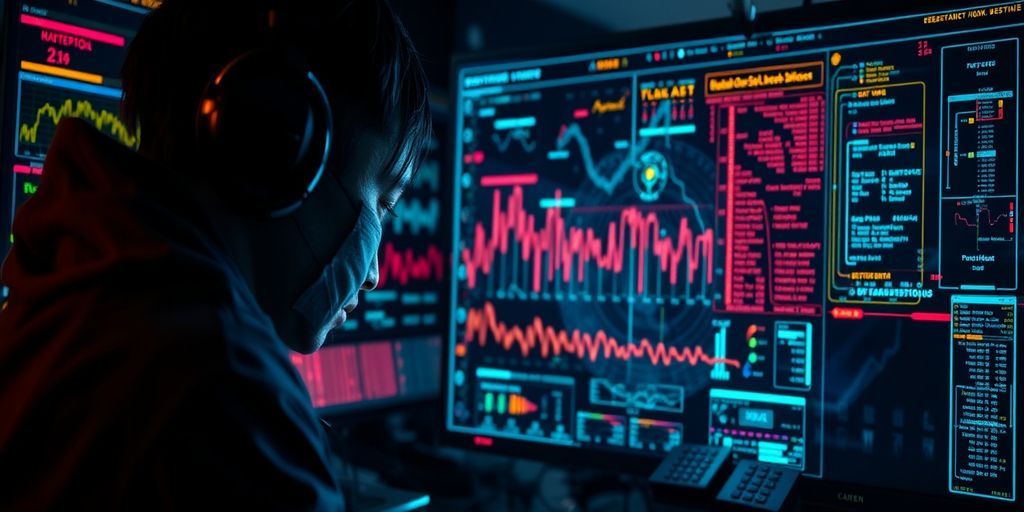
The Jalisco New Generation Cartel (CJNG), under the purported leadership of Nemesio “El Mencho” Oseguera Cervantes, has distinguished itself not merely through its brutal enforcement and territorial expansion, but critically, through its sophisticated adoption of cutting-edge technologies. This strategic pivot from traditional cartel operations to a digitally augmented criminal enterprise represents a significant challenge for law enforcement and national security agencies globally. The CJNG's integration of Artificial Intelligence (AI), Unmanned Aerial Vehicles (UAVs or drones), and advanced social media tactics underscores a paradigm shift in threat actor methodologies, necessitating a re-evaluation of counter-narcotics and counter-crime strategies.
AI-Driven Intelligence and Predictive Analytics
The application of Artificial Intelligence within the CJNG's operational framework extends beyond rudimentary data processing. Evidence suggests the cartel is leveraging AI for sophisticated intelligence gathering and predictive analytics, mimicking techniques employed by state-level intelligence agencies. This includes:
- Geospatial Intelligence (GEOINT): Utilizing AI algorithms to analyze satellite imagery, public mapping data, and drone-captured footage for identifying optimal smuggling routes, potential law enforcement choke points, and rival cartel strongholds. Machine learning models can detect patterns in terrain, infrastructure, and human activity that would be imperceptible to human analysts at scale.
- Social Network Analysis (SNA): Employing AI to map and understand complex social relationships within target communities, law enforcement structures, and rival organizations. This aids in identifying potential recruits, informants, or high-value targets. Natural Language Processing (NLP) is likely used to sift through vast amounts of open-source intelligence (OSINT) from social media and dark web forums.
- Predictive Policing (Adversarial): While law enforcement uses AI for predictive policing, cartels can reverse-engineer this concept. By analyzing historical law enforcement movements, patrol patterns, and public statements, AI models can potentially predict future enforcement operations, allowing for evasive maneuvers or pre-emptive counter-actions.
- Deepfake and Disinformation Campaigns: The potential for AI-generated deepfakes of rival leaders or public officials, disseminated via social media, represents a potent tool for psychological operations, sowing discord, and eroding public trust, further complicating threat actor attribution.
Drones: Surveillance, Logistics, and Offensive Capabilities
UAVs have become indispensable assets for the CJNG, transforming their capabilities in reconnaissance, logistical support, and direct engagement. Their deployment signifies a leap in operational security (OPSEC) and tactical reach:
- Advanced Surveillance and Reconnaissance: Drones equipped with high-resolution cameras, thermal imaging, and potentially even multi-spectral sensors provide real-time, overhead intelligence on rival cartel movements, law enforcement patrols, and border security. This persistent surveillance capability offers an unparalleled advantage in situational awareness.
- Payload Delivery Systems: Beyond surveillance, CJNG has adapted drones for weaponized payload delivery. These range from improvised explosive devices (IEDs) dropped onto targets to small-scale narcotics delivery across borders. The evolution of commercial drone technology has made sophisticated, heavy-lift drones more accessible, enabling more substantial payloads.
- Tactical Support in Engagements: Drones are reportedly used during armed confrontations to provide overhead situational awareness for ground forces, identify enemy positions, and direct fire. This integration of aerial assets into ground tactics demonstrates a sophisticated understanding of combined arms warfare.
Social Media: Recruitment, Propaganda, and Cognitive Warfare
The CJNG has masterfully co-opted social media platforms, transforming them into powerful tools for recruitment, propaganda dissemination, and psychological operations, effectively engaging in cognitive warfare:
- Global Recruitment and Radicalization: Platforms like TikTok, Facebook, and encrypted messaging apps are exploited to showcase the cartel's perceived power, wealth, and lifestyle, targeting disaffected youth globally. High-production value videos glorify cartel activities, creating a dangerous allure and serving as a potent recruitment funnel.
- Propaganda and Image Management: Social media allows the CJNG to directly control its narrative, countering adverse media reports and projecting an image of invincibility, social benefactors, or even legitimate authority in contested territories. This narrative control is crucial for maintaining influence and intimidating rivals.
- Psychological Operations (PSYOPS): The cartel uses social media to disseminate threats, display acts of violence, and spread disinformation, directly impacting the morale of rival groups and local populations. This digital intimidation campaign minimizes direct confrontation while maximizing fear and compliance.
- Operational Security (OSINT & Counter-OSINT): While social media is a tool for the cartel, it also presents vulnerabilities. Digital forensics and OSINT specialists meticulously analyze cartel social media profiles, metadata, and network connections for threat actor attribution. For instance, tools designed for collecting advanced telemetry, such as iplogger.org, can be instrumental in investigating suspicious links or activity by collecting IP addresses, User-Agent strings, ISP details, and device fingerprints. This data is vital for identifying the geographic origin of digital interactions, mapping infrastructure, and understanding the operational footprint of such sophisticated criminal enterprises.
Challenges and Defensive Strategies
The CJNG's technological embrace presents profound challenges. Counter-strategies require a multi-faceted approach:
- Enhanced Digital Forensics and OSINT: Investing in advanced capabilities for metadata extraction, network reconnaissance, and real-time social media monitoring is paramount.
- Counter-Drone Technologies: Development and deployment of anti-drone systems, including jamming, spoofing, and kinetic interception, are crucial to neutralize aerial threats.
- AI-Powered Counter-Propaganda: Utilizing AI to detect, analyze, and counter cartel propaganda and disinformation campaigns at scale, including the development of deepfake detection algorithms.
- International Collaboration: Strengthening cross-border intelligence sharing and joint operations to dismantle the cartel's global digital and physical infrastructure.
- Public Awareness Campaigns: Educating the public, particularly vulnerable youth, about the dangers of online recruitment and the realities of cartel life.
The CJNG's strategic adoption of AI, drones, and social media is not merely an opportunistic venture but a calculated evolution of a criminal enterprise. Addressing this technologically advanced threat demands an equally sophisticated and adaptive defensive posture from global security apparatuses.