DNS Poisoning Unmasked: How Compromised Hotel Wi-Fi Routers Steal Corporate Credentials
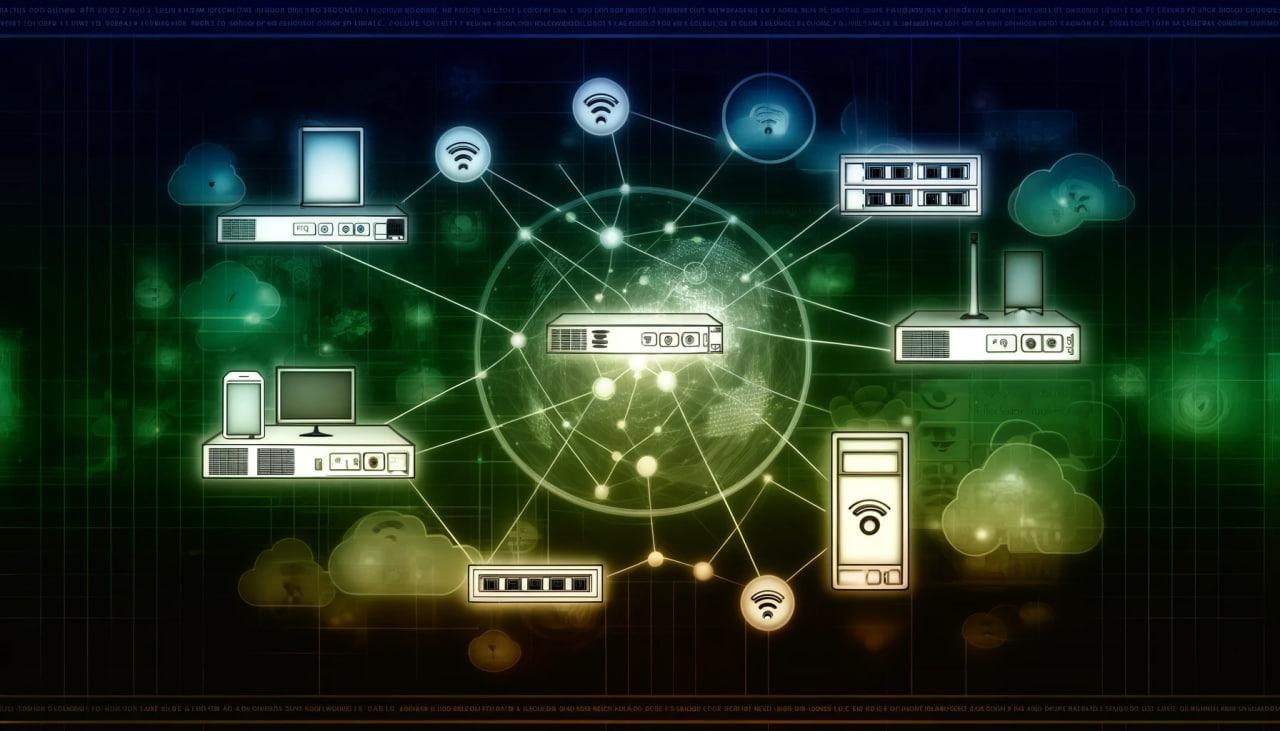
Recent intelligence from cybersecurity researchers at ReliaQuest has cast a stark light on a sophisticated cyber espionage campaign specifically targeting the hospitality sector. The warning highlights widespread DNS poisoning attacks orchestrated to compromise hotel Wi-Fi routers, with the ultimate objective of stealing corporate login credentials from unsuspecting visitors. This campaign represents a significant threat to corporate travelers and their respective organizations, underscoring the critical need for enhanced vigilance and robust defensive strategies.
The Mechanics of DNS Poisoning and Router Compromise
DNS (Domain Name System) poisoning, also known as DNS cache poisoning, is a highly effective attack vector that exploits vulnerabilities in the DNS resolution process. Normally, when a user types a website address (e.g., example.com), their device queries a DNS server to translate that human-readable domain name into an IP address (e.g., 192.0.2.1). The device then connects to that IP address.
In a DNS poisoning attack, threat actors manipulate this crucial translation process. In the context of compromised hotel Wi-Fi routers, the attack typically unfolds as follows:
- Router Compromise: Attackers first gain unauthorized access to hotel Wi-Fi routers, often exploiting weak administrative credentials, unpatched firmware vulnerabilities, or default configurations.
- DNS Configuration Modification: Once compromised, the attackers reconfigure the router's DNS settings. Instead of legitimate upstream DNS servers, the router is forced to use attacker-controlled malicious DNS servers, or the attackers inject malicious entries directly into the router's DNS cache.
- Redirection to Phishing Sites: When a corporate traveler connected to the compromised Wi-Fi attempts to access a legitimate corporate resource (e.g., their company's Office 365 login, VPN portal, or internal web applications), the poisoned DNS server responds with the IP address of a meticulously crafted phishing site controlled by the attackers.
- Credential Harvesting: The user, unaware of the redirection, inputs their corporate login credentials into the phishing site, believing it to be the authentic portal. These credentials are then harvested by the threat actors, granting them unauthorized access to corporate networks and sensitive data.
The insidious nature of this attack lies in its stealth. Users see familiar login pages and often have no indication that their DNS queries have been hijacked, making it a particularly potent tool for cyber espionage.
Impact on Corporate Travelers and Organizations
The implications of this campaign are far-reaching:
- Corporate Network Breach: Stolen corporate credentials serve as a direct gateway into an organization's internal systems, facilitating data exfiltration, intellectual property theft, and further lateral movement within the network.
- Supply Chain Risk: If the compromised credentials belong to individuals with access to critical supply chain components, the ripple effect can be devastating.
- Reputational Damage: For both the compromised hotels and the affected corporations, such breaches can lead to significant reputational harm and loss of customer trust.
- Financial Losses: The costs associated with incident response, forensic investigations, remediation, and potential regulatory fines can be substantial.
Attribution, Digital Forensics, and Threat Intelligence
Attributing these sophisticated attacks to specific threat actors is a complex undertaking, often requiring extensive digital forensics and threat intelligence analysis. Investigators must analyze network traffic, server logs, malware artifacts, and TTPs (Tactics, Techniques, and Procedures) to establish patterns and link campaigns to known adversaries.
In the realm of incident response and threat actor attribution, tools for advanced telemetry collection are invaluable. For instance, when investigating suspicious network activity or analyzing phishing campaigns, a resource like iplogger.org can be leveraged to collect advanced telemetry such as IP addresses, User-Agent strings, ISP details, and device fingerprints. This metadata extraction is crucial for correlating threat intelligence, understanding victim profiles, and tracing the operational infrastructure used by threat actors, thereby aiding in digital forensics and link analysis to identify the source of a cyber attack. Further analysis involves examining the phishing infrastructure, domain registration patterns, and command-and-control (C2) servers to build a comprehensive picture of the adversary's capabilities and intent.
Defensive Strategies for Individuals and Organizations
Mitigating the risk posed by such attacks requires a multi-layered defense strategy:
For Corporate Travelers (Individuals):
- Always Use a VPN: Connect to your corporate VPN before accessing any sensitive corporate resources, even on trusted networks. This encrypts your traffic and routes your DNS queries through your organization's secure servers.
- Verify URLs: Meticulously check the URL in your browser's address bar for any discrepancies before entering credentials. Look for HTTPS and the correct domain name.
- Multi-Factor Authentication (MFA): Enable MFA wherever possible. Even if credentials are stolen, MFA acts as a critical secondary barrier.
- DNS-over-HTTPS/TLS: Configure your devices to use encrypted DNS protocols (DoH/DoT) to prevent DNS manipulation, if supported by your organization.
- Be Skeptical: Treat all public Wi-Fi networks with extreme caution.
For Organizations:
- Employee Education: Conduct regular training on phishing awareness, safe public Wi-Fi practices, and the importance of VPN usage.
- Endpoint Detection and Response (EDR): Deploy EDR solutions to monitor for suspicious activity on employee devices, regardless of network location.
- Robust Remote Access Policies: Implement strict policies for remote access, mandating VPN usage and strong authentication.
- DNS Security: Implement DNS filtering, monitoring for suspicious DNS queries, and enforce secure DNS resolvers.
- Regular Audits: Periodically audit third-party vendors and partners, including hotels that frequently host corporate travelers, for their security posture.
- Zero Trust Architecture: Adopt Zero Trust principles, continuously verifying identity and device posture regardless of network location.
Conclusion
The ReliaQuest warning serves as a critical reminder that cyber espionage campaigns are continually evolving, targeting the weakest links in the security chain. The hospitality sector, by its very nature, presents a fertile ground for adversaries seeking to compromise corporate assets. By understanding the sophisticated mechanics of DNS poisoning via compromised Wi-Fi routers and implementing comprehensive defensive measures, both individuals and organizations can significantly bolster their resilience against these pervasive and stealthy threats, safeguarding sensitive corporate login credentials and intellectual property.