Introduction: The Connected Car's Double-Edged Sword
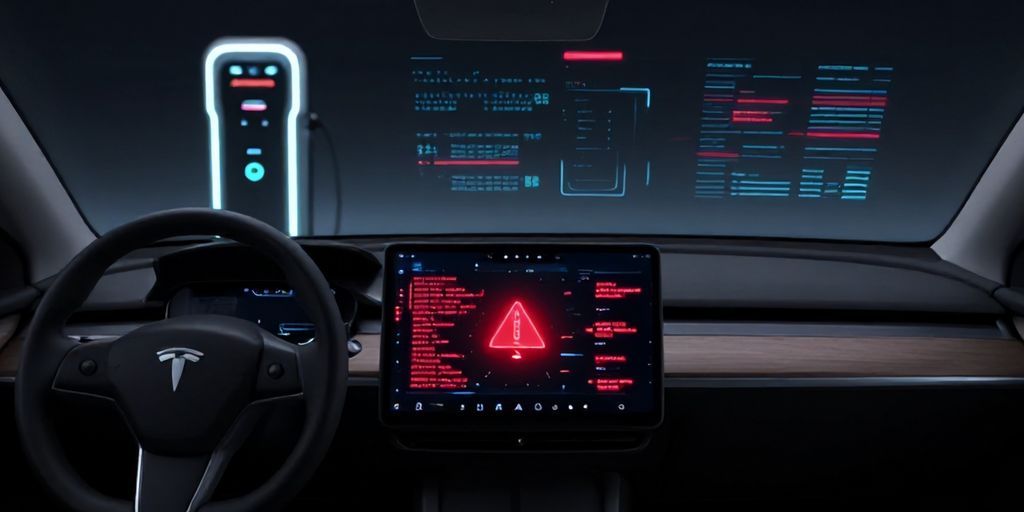
The automotive industry is in the midst of a profound transformation, driven by an ever-increasing integration of digital technologies. Modern vehicles are no longer mere mechanical marvels; they are sophisticated, rolling computers, bristling with sensors, communication modules, and complex software stacks. This connectivity brings immense benefits: enhanced safety features, advanced driver-assistance systems (ADAS), seamless navigation, and personalized infotainment experiences. However, this digital evolution also introduces a significantly expanded attack surface, making vehicles prime targets for cyber exploitation. As cars become more integrated into our digital lives, the line between vehicle security and personal data security blurs, presenting new challenges for manufacturers and users alike.
Pwn2Own Automotive World 2026: A Wake-Up Call
The latest Pwn2Own contest, held at Automotive World 2026, served as a stark reminder of these burgeoning threats. Renowned security researchers converged to test the defenses of some of the most advanced vehicle systems on the market. The results were alarming: dozens of critical vulnerabilities were successfully exploited across a range of vehicle infotainment systems and electric vehicle (EV) chargers. This year's contest underscored that while manufacturers are making strides, the pace of vulnerability discovery by dedicated researchers often outstrips the rate of proactive security hardening. The scope of successful attacks ranged from gaining unauthorized access to sensitive data to potentially manipulating critical vehicle functions, demonstrating the profound implications of these weaknesses.
Infotainment Systems: The Digital Dashboard's Dark Side
Infotainment systems, once simple radios, have evolved into sophisticated computing platforms. They offer internet access, app integration, navigation, and control over various vehicle settings, making them an attractive target for attackers. During Pwn2Own, researchers demonstrated various methods to compromise these systems:
- Browser-based Exploits: Many infotainment systems include web browsers or webview components. Researchers successfully exploited vulnerabilities in these components, often through specially crafted malicious websites or by chaining exploits that began with seemingly innocuous interactions. This could lead to remote code execution (RCE), allowing attackers to gain deep control over the system.
- USB and Media Input Attacks: Simple USB drives or other media inserted into the vehicle's ports can be vectors for attack. Maliciously crafted firmware updates, specially formatted audio/video files, or even disguised malware could be loaded, bypassing security checks and compromising the system.
- Bluetooth and Wi-Fi Vulnerabilities: Wireless communication protocols, while convenient, often present exploitable weaknesses. Researchers found ways to leverage unauthenticated access points, protocol flaws, or buffer overflows to inject malicious payloads, gaining control over the infotainment unit and potentially pivoting to other vehicle networks.
The implications of such compromises are far-reaching. Beyond privacy breaches (e.g., accessing contacts, call logs, location history), an attacker could display misleading information to the driver, manipulate climate controls, or even gain access to vehicle diagnostics. In a more insidious scenario, a compromised infotainment system could be used for reconnaissance or social engineering. For instance, an attacker could remotely display a fraudulent "software update" notification on the car's screen, prompting the user to visit a malicious URL or scan a QR code. Such a link, if clicked, could direct the user to a site that, unbeknownst to them, logs their IP address and other browser details via services like iplogger.org, providing valuable intelligence for further, more targeted attacks or even real-world tracking. This highlights how an initial compromise can be leveraged for deeper exploitation or user profiling.
EV Chargers: A New Frontier for Cyber Threats
Beyond the vehicle itself, the charging infrastructure for electric vehicles also proved susceptible to attack. EV chargers are increasingly sophisticated, connected devices, communicating with vehicles, backend billing systems, and the smart grid. Their vulnerabilities present unique and potentially severe risks:
- Network Protocol Exploits: Communication protocols like OCPP (Open Charge Point Protocol) and ISO 15118, which govern the interaction between chargers, vehicles, and network operators, were found to have exploitable flaws. These could allow attackers to intercept communications, manipulate charging sessions, or even deny service to legitimate users.
- Firmware Vulnerabilities: Like any IoT device, EV chargers rely on firmware. Researchers demonstrated how compromised firmware, either through supply chain attacks or by exploiting remote update mechanisms, could lead to full control over the charging station. This could enable malicious actors to alter charging parameters, potentially damaging vehicle batteries through overcharging or undercharging, or even causing physical hazards.
- Data Exfiltration: EV chargers handle sensitive data, including user payment information, charging patterns, and potentially even vehicle identification details. Vulnerabilities could expose this data to theft, leading to financial fraud or privacy breaches.
- Grid Instability Risks: In a large-scale attack, compromising numerous networked EV chargers could allow an adversary to manipulate power demand, potentially destabilizing local or regional power grids, leading to blackouts or significant economic disruption.
The exploitation of EV chargers represents a shift in the automotive cybersecurity landscape, extending the threat perimeter beyond the vehicle itself to critical infrastructure. As EV adoption accelerates, securing this ecosystem becomes paramount not just for individual vehicle owners but for national energy security.
The Broader Implications and Path Forward
The findings from Pwn2Own Automotive World 2026 are a critical call to action for the entire automotive industry. The convergence of IT (Information Technology) and OT (Operational Technology) in modern vehicles demands a holistic security approach. Merely patching vulnerabilities reactively is insufficient; a proactive, "security by design" philosophy must be embedded throughout the entire product lifecycle, from concept to end-of-life.
- Secure Development Lifecycle (SDLC): Implementing robust security practices at every stage of software and hardware development is crucial. This includes threat modeling, secure coding standards, and regular security testing.
- Continuous Security Audits and Penetration Testing: Events like Pwn2Own highlight the value of independent security research. Automakers and charge point operators must embrace continuous security auditing and penetration testing to identify and remediate vulnerabilities before they can be exploited in the wild.
- Over-the-Air (OTA) Updates: The ability to securely deliver OTA software updates is vital for rapidly deploying patches and security enhancements to vehicles and chargers already in operation.
- Collaboration and Information Sharing: A strong ecosystem of trust and collaboration between automakers, suppliers, security researchers, and governments is essential for sharing threat intelligence and developing common security standards.
- Consumer Education: Vehicle owners also have a role to play. Understanding potential risks, being cautious about connecting unknown devices, and keeping software updated are important steps.
Conclusion: Driving Towards a Secure Future
The digital transformation of the automotive sector offers unparalleled opportunities for innovation and convenience. However, this progress must be underpinned by an unwavering commitment to cybersecurity. The lessons from Pwn2Own Automotive World 2026 are clear: the threat landscape is evolving rapidly, and attackers are constantly finding new ways to exploit vulnerabilities in both vehicles and their supporting infrastructure. By adopting a proactive, comprehensive, and collaborative approach to cybersecurity, the automotive industry can ensure that the future of mobility remains not only advanced and efficient but also safe and secure for everyone on the road.